The real estate industry, which was once reliant on in-person interactions and paper-based transactions, is rapidly evolving with the rise of digital technology. Mobile apps, in particular, have become a crucial tool for real estate professionals who want to stay ahead of the curve. These apps not only streamline operations but also significantly enhance client communication and improve sales. As both realtors and clients increasingly rely on smartphones, integrating mobile apps into real estate practices is no longer a luxury, but a necessity. This blog explores how mobile apps are revolutionizing the real estate industry by improving client engagement, driving sales, and ultimately shaping the future of the market.

The Role of Mobile Apps in Modern Real Estate
The Evolution of Real Estate Technology
Real estate has evolved significantly from the days of classified ads in newspapers and physical property visits. The internet introduction marked the first wave of digital transformation, with online listings becoming the standard. However, mobile apps have been the true game-changer in real estate technology. These apps enable clients to explore properties, communicate with agents, and even complete transactions without leaving their homes.
Mobile apps have transformed the real estate landscape, offering dynamic, interactive, and user-friendly experiences. They provide convenience and immediacy, meeting the modern consumer’s desire for quick, on-the-go access to information. For real estate professionals, mobile apps have become essential tools for efficiently and effectively managing client relationships, property listings, and sales processes.
Key Features of Real Estate Mobile Apps
- Property Listings and Virtual Tours: Mobile apps offer an immersive experience with features like high-resolution images, virtual tours, and detailed property descriptions. Clients can explore properties from anywhere in the world, at any time, which is especially beneficial for international buyers or those relocating from distant areas.
- Client Communication Tools: Effective communication is the cornerstone of successful real estate transactions. Mobile apps provide in-app messaging, video calls, and automated responses, ensuring that real estate agents can maintain constant contact with clients. These tools help to address client inquiries quickly, keeping them engaged and informed throughout the buying or selling process.
- Transaction Management: Mobile apps streamline the transaction process by offering digital documentation, payment processing, and e-signature capabilities. This not only speeds up transactions but also reduces the chances of errors that often occur with manual paperwork. Clients appreciate the efficiency and security that come with handling transactions digitally.
Enhancing Client Communication through Mobile Apps
Personalized Client Interactions
Real estate has evolved significantly from the days of classified ads in newspapers and physical property visits. The internet introduction marked the first wave of digital transformation, with online listings becoming the standard. However, mobile apps have been the true game-changer in real estate technology. These apps enable clients to explore properties, communicate with agents, and even complete transactions without leaving their homes.
Mobile apps have transformed the real estate landscape, offering dynamic, interactive, and user-friendly experiences. They provide convenience and immediacy, meeting the modern consumer’s desire for quick, on-the-go access to information. For real estate professionals, mobile apps have become essential tools for efficiently and effectively managing client relationships, property listings, and sales processes.
24/7 Availability and Responsiveness
In today’s fast-paced world, clients expect quick responses and immediate access to information. Mobile apps ensure that real estate professionals can be available to their clients 24/7, even when they are not in the office. Whether it’s answering a late-night inquiry or sending a quick update, the ability to stay connected at all times can make a significant difference in client satisfaction.
Moreover, mobile apps often include automated response systems that can provide clients with instant answers to common questions. This feature ensures that clients never feel neglected, even during busy periods when the agent may not be immediately available.
Building Stronger Relationships
Building strong client-agent relationships is vital in real estate. Trust and communication are key for successful transactions. Mobile apps can help by providing tools for regular follow-ups and ongoing communication. Agents can schedule check-ins, send reminders about upcoming deadlines, and keep clients informed about market trends and new opportunities.
These consistent, proactive interactions help to build stronger, enduring relationships with clients. A client who feels supported and well-informed is more likely to return for future transactions and recommend the agent to others, expanding the agent’s network and potential client base.
Driving Sales with Mobile Apps
Lead Generation and Management
Generating and managing leads is a critical aspect of real estate sales, and mobile apps have made this process more efficient than ever. Features such as live chat, quick inquiry forms, and AI-driven suggestions allow agents to capture leads directly through the app. This immediacy is crucial in the competitive real estate market, where quick follow-up can be the difference between winning or losing a sale.
Once leads are captured, mobile apps provide robust management tools that help agents track interactions, schedule follow-ups, and prioritize leads based on their likelihood to convert. By keeping all lead information organized and accessible, agents can focus on nurturing relationships and moving prospects through the sales funnel more effectively.
Data-Driven Sales Strategies
Mobile apps are powerful tools for gathering and analyzing client data, which can be leveraged to develop more targeted sales strategies. For instance, apps can track a client’s interactions, such as the properties they view most frequently or the types of searches they conduct. This data provides valuable insights into the client’s preferences and behavior, allowing agents to tailor their sales approach accordingly.
With access to real-time analytics, agents can adjust their strategies on the fly, optimizing their efforts to match current market conditions and client needs. This data-driven approach not only enhances the efficiency of the sales process but also increases the chances of closing deals by ensuring that the agent’s efforts are aligned with the client’s desires.
Closing Deals Faster
One of the most significant advantages of using apps in real estate is the ability to close deals faster. By streamlining the communication process, managing transactions digitally, and utilizing data to tailor sales strategies, apps significantly reduce the time it takes to move from initial interest to final sale.
For example, with all necessary documents and payment options available within the app, clients can quickly complete transactions without the delays typically associated with traditional methods. This efficiency is particularly appealing to clients who are eager to finalize their purchases quickly, whether due to relocation timelines or market conditions.

Case Studies and Success Stories
Real Estate Agencies Thriving with Mobile Apps
Several real estate agencies have achieved remarkable success by incorporating mobile apps into their businesses. For example, one agency saw a 30% increase in sales within a year of launching its app. This was due to improved client communication and more efficient lead management. The app allowed the agency to offer a more personalized service to clients, resulting in higher satisfaction rates and more referrals.
Another instance is of a real estate firm using its mobile app to reach international buyers. The app’s virtual tour feature allowed potential buyers from abroad to virtually explore properties, leading to a significant increase in overseas sales.
Client Testimonials
Clients who have used real estate mobile apps often report a much smoother and more satisfying experience. One client noted that the app’s personalized notifications and easy communication features made the process of finding and purchasing a home much less stressful. Another client appreciated the ability to sign documents and complete transactions directly through the app, which saved time and allowed them to focus on other aspects of their move.
These testimonials highlight the tangible benefits that mobile apps bring to both clients and agents in the real estate industry.
Conclusion
The integration of mobile apps into the real estate industry is not just a trend—it’s a transformative shift that is enhancing client communication, driving sales, and redefining the way real estate professionals operate. As mobile technology continues to evolve, the potential for these apps to further streamline processes and improve client experiences will only grow.
Real estate professionals who embrace apps will find themselves better equipped to meet the demands of today’s tech-savvy clients, leading to stronger relationships, faster sales, and ultimately, greater success in the industry. For those who have not yet adopted this technology, the time to do so is now. The future of real estate is mobile, and those who leverage this technology will be at the forefront of the industry’s evolution.
FAQs
- How do mobile apps improve client communication in real estate? Apps enhance client communication by providing tools like in-app messaging, video calls, and automated responses, allowing agents to maintain constant contact with clients.
- What are the essential features of a good real estate mobile app? A good real estate mobile app should include features like property listings with virtual tours, client communication tools, transaction management capabilities, and lead generation and management systems.
- How can mobile apps help close deals faster in real estate? Mobile apps streamline the sales process by enabling digital transactions, providing real-time updates, and offering data-driven insights, all of which contribute to faster deal closures.
- Are there any security concerns with using mobile apps for real estate transactions? While mobile apps offer many conveniences, it’s essential to ensure they are secure. Look for apps that provide encryption, secure login processes, and regular updates to protect client information.

 Back in 2014, Yahoo, EBay, Home Depot, and AOL were breached by hackers who stole the data of more than 500 Million user accounts. This information included things such as usernames, passwords, email addresses, phone numbers, as well as other sensitive information. For any real estate agent using one of these systems, the confidential aspect of their real estate transaction could be at risk. The mentioned breaches are only a small number of successful attacks which took place in 2014. Many of the email providers that people use for personal email simply do not deploy or maintain the same security measures one may find with a dedicated exchange server.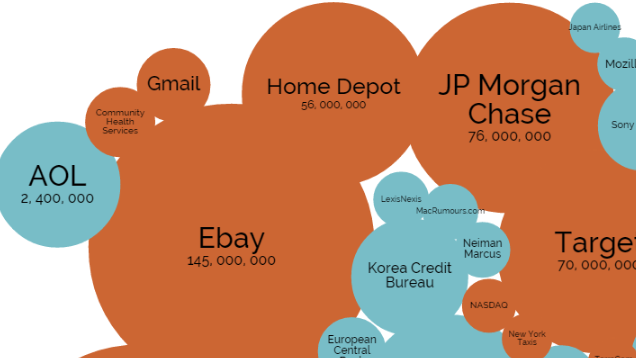
 Using a service that has had a data breach is a serious risk. Any messages that are transmitted can be seen and manipulated by a third party aka the hacker. The stolen data is often sold on the black market and then used for many things like identity theft. The information pertained in one account is often similar to, if not the same as, the information used in other accounts for the same person. Once a hacker or organization has enough information it can be used to check for accounts and other information on many different websites. This means that the email used to create a Facebook account is often the same as the one used to create an Instagram account. The chances that both accounts use the same password are fairly high. All the security questions that are answered are also common among many websites making that information just as valuable as the email and password.
 SEO or Search Engine Optimization, is the strategic work involved in having your business website rank well on all of the major search engines such as Google. Although many web designers claim to “include SEO” in their web designs, we have come to find out that proper SEO, with real real results, takes a special skill set.