Blog

  • Will Short-Form Video Still Dominate, or Will Immersive VR Content Take Over by 2026?

    Will Short-Form Video Still Dominate, or Will Immersive VR Content Take Over by 2026?

    Will Short-Form Video Still Dominate, or Will Immersive VR Content Take Over by 2026? A Marketer’s Guide to the Future

    Let’s cut through the noise. Right now, your marketing department is likely a content factory for Reels, TikToks, and Shorts. It’s a smart play. The metrics are undeniable, the reach is massive, and it delivers results. But if you’re paying attention, you hear the background hum getting louder. The buzz around the Metaverse, spatial computing, and immersive VR isn’t just for tech enthusiasts anymore. It’s a strategic question knocking on your door.

    A person in a modern, minimalist setting holds a smartphone in one hand and a VR headset in the other, symbolizing the strategic choice between short-form video and immersive content.

    The core conflict isn’t a simple “video vs. VR” deathmatch. It’s a critical dilemma that will define marketing leaders over the next three years: Where do you invest your budget, your team’s creative energy, and your strategic focus to not just compete, but dominate? Pour more into the proven video funnel, or pivot to the uncharted, high-potential territory of immersive experiences?

    The answer isn’t about picking a winner. It’s about understanding how to build a digital ecosystem where both can thrive. This post will dissect the strengths and weaknesses of each format, deliver a clear verdict on the 2026 landscape, and give you an actionable roadmap. We’ll show you how to prepare your digital infrastructure—starting with the one asset you truly own, your website—for what’s coming next. Because a winning content strategy is useless without the technical foundation and SEO expertise to support it.

    Key Takeaways

    • It’s Not a Takeover: By 2026, short-form video and immersive VR will not be competitors but collaborators. They will serve distinct and complementary roles in a more sophisticated marketing funnel.
    • Video for Reach, VR for Relationship: Short-form video will continue to be the undisputed champion for top-of-funnel (TOFU) mass awareness. Immersive VR will become the ultimate tool for middle and bottom-of-funnel (MOFU/BOFU) engagement, nurturing, and conversion.
    • WebXR is the Game-Changer: The biggest barrier to VR adoption—the need for dedicated apps—is being dismantled by WebXR, which allows immersive experiences to run directly in a web browser. This makes your website the new gateway to the metaverse.
    • Your Website is the Central Hub: Both viral videos and immersive experiences need a destination. Your website is the critical bridge between these two worlds, and its technical readiness will determine your future success.

    The Reigning Champion: Why Short-Form Video Will Still Dominate Attention in 2026

    Before you scrap your entire video strategy, let’s be clear: your investment is safe. Short-form video isn’t going anywhere. For marketers worried their current playbook is about to become obsolete, relax. Its dominance is rooted in fundamental principles of digital communication and consumer psychology that aren’t changing overnight.

    Unbeatable Virality and Top-of-Funnel Reach

    The algorithms governing platforms like TikTok and Instagram Reels are engineered for one thing: discoverability. They create a content meritocracy where a single, well-crafted video can achieve exponential reach, landing your brand in front of millions of potential customers who have never heard of you. The barrier to sharing is virtually non-existent, turning viewers into active distributors of your message.

    According to DataReportal’s Digital 2024 report, TikTok now has 1.56 billion active users globally, and its ad reach continues to climb. That scale is simply unmatched for top-of-funnel brand awareness.

    Marketer Takeaway: For casting the widest possible net and acquiring new audiences at scale, short-form video will remain the undisputed king. It’s your top-of-funnel engine.

    The Psychology of Snacking: Low-Cost, High-Frequency Content

    The modern consumer’s attention span isn’t just short; it’s fragmented. They consume content in bite-sized “snacks” throughout the day. Short-form video perfectly aligns with this behavior. More importantly, from a production standpoint, it allows for a rapid iteration cycle. You can create, publish, analyze, and adapt content on a daily or weekly basis without the massive overhead of traditional campaigns. This high-frequency, low-cost model is the most efficient way to maintain brand salience.

    A woman wearing a sleek VR headset is immersed in a virtual world, illuminated by vibrant neon lights, representing the futuristic potential of immersive marketing content.

    Marketer Takeaway: Short-form video is the most resource-efficient channel for staying top-of-mind with your audience consistently.

    The Data is Clear: Proven ROI and Measurable Metrics

    Marketers love what they can measure. The analytics ecosystem for short-form video is mature and well-understood. We have a direct line of sight into views, shares, comments, watch time, and click-through rates. We can plug this data directly into our ROI models and track a user’s journey from a video view to a landing page visit to a final conversion. This is a well-trodden, reliable path. You can even run a free SEO report to see how your current traffic sources are performing.

    Marketer Takeaway: The path from video view to conversion is established, measurable, and bankable. It’s a core component of any modern digital marketing beginner’s guide.

    The Challenger: Will Immersive VR Content Take Over Niche Engagement?

    Now for the challenger. Many marketers hear “VR” and immediately think of clunky headsets, expensive development, and niche gaming applications. They dismiss it as a gimmick, irrelevant to their business. This is a strategic error. You need to stop thinking of VR as a separate platform and start seeing it as a new, incredibly powerful content format for deepening customer relationships.

    From Passive Viewing to Active “Presence”: The Engagement Revolution

    Immersive content’s unique power is its ability to generate “presence”—the psychological sensation of actually being there. A user doesn’t just watch a product demo; they pick up the product, turn it over in their hands, and see how it fits in a virtual representation of their own space. They don’t just see photos of a hotel; they walk through the lobby and stand on the balcony.

    Consider these examples:

    • Automotive: A virtual showroom where a customer can sit inside a car, change the interior colors, and experience the dashboard features.
    • Real Estate: An interactive walkthrough of a property that isn’t even built yet, allowing for pre-construction sales with unprecedented confidence. This is a core part of modern real estate SEO.
    • E-commerce: A virtual “try-on” for furniture, where a user can place a 3D model of a sofa in their own living room using their phone’s camera.

    Marketer Takeaway: VR offers a level of engagement, emotional connection, and brand recall that a 15-second video can never touch. It’s about the quality of the connection, not the quantity of views.

    A conceptual image split in two, with one side showing a person scrolling on a smartphone and the other side showing a person experiencing a virtual reality world.

    The Hardware Hurdle is Shrinking, and WebXR is the Gateway

    The argument that VR is inaccessible due to expensive hardware is rapidly aging. Headsets like the Meta Quest series are becoming more affordable and mainstream. But the real revolution for marketers is WebXR.

    WebXR is a web standard that allows high-quality virtual and augmented reality experiences to run directly within a standard web browser. No app download required. This is the critical piece of the puzzle. It removes the single greatest point of friction between your brand and your audience. Suddenly, the entry point to an immersive experience isn’t an app store; it’s a link. It’s your website.

    Marketer Takeaway: Your audience won’t need to be a hardcore gamer to experience your brand in VR. Soon, they’ll just need to visit your website on a compatible device.

    The New Frontier of Analytics: Measuring What Matters

    The analytics potential of VR is a data-driven marketer’s dream. Forget simple views and clicks. Immersive analytics can provide unprecedented insight into genuine customer interest.

    Traditional Metric Immersive Equivalent Business Insight
    Video Views Dwell Time in Virtual Space How long a user is truly engaged with your brand world.
    Click-Through Rate Object Interaction Rate Which specific product features users are engaging with most.
    Page Scroll Depth Gaze Tracking Heatmaps What visual elements of your product or environment capture and hold attention.

    Marketer Takeaway: This isn’t about vanity metrics. This is about gaining deep, actionable intelligence on what your customers truly care about, far beyond what traditional analytics can offer.

    The 2026 Verdict: It’s Not a Takeover, It’s a Two-Pronged Strategy

    So, what’s the answer? Which one do you choose? You don’t. The premise of the question is flawed. By 2026, the smartest marketers won’t be choosing between short-form video and immersive VR. They will be using them in tandem as part of a sophisticated, multi-layered funnel.

    The Coexistence Model: Reach vs. Relationship

    One format will not have “taken over” the other. Instead, they will serve two distinct, vital functions in the marketing journey.

    A person's hand interacts with a glowing, futuristic digital interface, suggesting the shift from current mobile technology to the next wave of immersive digital experiences.

    • Short-Form Video (TOFU): This remains your engine for Reach. It’s the ultimate tool for casting a wide net, generating mass brand awareness, driving traffic, and feeding the top of your funnel. It’s loud, fast, and broad.
    • Immersive VR Content (MOFU/BOFU): This becomes your engine for Relationship. It’s the ultimate tool for nurturing qualified leads, building deep brand loyalty, educating customers in detail, and driving high-consideration conversions. It’s deep, engaging, and personal.

    How Your Marketing Funnel Will Evolve

    Imagine this user journey in 2026:

    1. (TOFU): A potential customer discovers your furniture brand through a viral, 20-second Reel showcasing a beautifully designed living room. The video is entertaining and visually appealing.
    2. (Traffic): The call-to-action in the video links directly to a product page on your website.
    3. (MOFU): On your website, alongside standard photos, is a button: “View in Your Room.” The user clicks it, and through WebXR, a 3D model of the sofa appears in their living room via their phone’s screen. They can walk around it, check the size, and see the fabric texture up close.
    4. (BOFU): This high-fidelity, immersive experience eliminates purchase anxiety and builds incredible confidence. The user adds the sofa to their cart and completes the purchase, converting from a passive viewer into a high-value customer.

    Your Action Plan: Future-Proofing Your Digital Presence Today

    This all sounds great, but it also sounds complex. Your team isn’t staffed with 3D artists, and your developers are busy with the current roadmap. So, what do you do now? You start by preparing the foundation.

    Step 1: Fortify Your Foundation — Your Website

    Both viral videos and immersive experiences need a destination. That destination is your website. Social media platforms are rented land; their algorithms can change, and your access can be revoked. Your website is the central hub that you own and control. It’s the bridge that connects the broad awareness from social media to the deep engagement of immersive content. If that bridge is weak, the entire strategy collapses.

    Step 2: Ensure Your Website is Technically Ready for Immersive Content

    Your current website might be great for displaying blogs and JPEGs, but is it engineered to handle 3D models and WebXR? This is where a deep understanding of web development becomes critical. Immersive assets require:

    • Peak Performance: Fast load times are non-negotiable. Slow loading will kill an immersive experience before it even starts.
    • Clean, Robust Code: The site’s framework must be able to handle these new technologies without breaking. This includes fixing things like mixed content issues that can cripple performance and security.
    • Optimized Architecture: The site needs to be structured to serve these heavier assets efficiently to users across different devices.

    Step 3: Integrate Your Content with a Cohesive SEO Strategy

    How will people find your groundbreaking content? A brilliant immersive experience is useless if no one can discover it. This is where a holistic strategy that combines technical development with SEO is essential. You need to optimize for both worlds:

    • Video SEO: Maximize the reach of your short-form content to ensure it’s driving qualified traffic to your site.
    • Technical SEO: Structure your site to signal to Google and other search engines that you offer rich, immersive experiences. This is one of the latest trends in SEO and will become a key differentiator in search rankings.

    Don’t Choose a Side, Build the Bridge

    The future of digital marketing isn’t about Short-Form Video OR Immersive VR Content. It’s about using both in a sophisticated, integrated strategy where one captures attention and the other captivates the soul. The video brings them to your door; the immersive experience invites them inside and convinces them to stay.

    Preparing for this future requires more than just a good marketing agency or a standard web developer. It requires a partner that understands the intricate relationship between creative marketing strategy, search engine optimization, and the complex web development needed to execute it all flawlessly.

    At Levitate, we build high-performance websites that dominate search today and are engineered for the immersive web of tomorrow. Your digital foundation is the single most important asset in this new landscape. Is yours ready for 2026?

    Schedule a consultation today to find out if your website is a launchpad for the future or an anchor to the past.


    Frequently Asked Questions

    Is immersive VR content expected to completely replace short-form video by 2026?
    No, the article suggests it’s not a simple ‘video vs. VR’ competition. The future of marketing will likely involve creating a digital ecosystem where both short-form video and immersive VR experiences can coexist and thrive, rather than one format completely replacing the other.
    Why is short-form video so dominant in marketing right now?
    Short-form video platforms like TikTok, Reels, and Shorts are currently dominant because they offer undeniable metrics, massive reach, and a proven track record of delivering tangible results for marketing campaigns.
    What is the main challenge for marketers regarding these two content formats?
    The primary challenge for marketers is deciding where to invest their resources—budget, creative energy, and strategic focus. They must weigh the option of pouring more into the proven success of short-form video against pivoting to the high-potential, but less charted, territory of immersive VR.
    How does the article recommend businesses prepare for the future of digital content?
    The article advises businesses to prepare by building a flexible digital ecosystem that can support both content formats. It specifically recommends starting by preparing and strengthening the digital infrastructure of the asset you fully own, which is your website.
  • A Designer’s Blueprint: Optimizing Your Visual Portfolio to Rank in AI-Powered Image and Mood Board Searches

    A Designer’s Blueprint: Optimizing Your Visual Portfolio to Rank in AI-Powered Image and Mood Board Searches

    A Designer’s Blueprint: Optimizing Your Visual Portfolio to Rank in AI-Powered Image and Mood Board Searches

    Your Next Customer Isn’t Googling Keywords—They’re Building a Mood Board

    Introduction: The Shift from Text to Visual Discovery

    Let’s cut to the chase. Imagine your ideal customer is planning a major project. Before they search for “marketing automation software” or “boutique consulting firm,” they’re on Pinterest, Behance, or even using generative AI, searching for “modern brand aesthetic” or “inspirational tech startup website.” Is your brand showing up in that critical, initial discovery phase? If the answer is no, you’re already losing.

    An overhead view of a person's hands arranging a grid of inspirational images on a tablet, symbolizing the modern process of visual curation for a project.

    For years, traditional SEO has drilled one thing into our heads: optimize for words. But the web is overwhelmingly visual, and AI is fundamentally rewriting the rules of discovery. Your brand’s visual assets—your website design, product photos, case study graphics—are a massively underutilized SEO goldmine. According to a study by Semrush, over 20% of all web searches on Google are for images. That’s a colossal slice of the search pie you’re likely ignoring.

    This isn’t a guide for designers on how to choose a nice font. This is a strategic blueprint for marketers. We’re going to break down how to optimize your entire visual portfolio to rank in these new AI-powered image and mood board searches. It’s time to stop treating your design assets as static decorations and start making them work as a powerful top-of-funnel marketing channel. At Levitate Web Design, we build websites where technical SEO and brilliant design aren’t separate departments; they’re two sides of the same coin, engineered from day one to dominate in this new visual landscape.

    Key Takeaways

    • AI Sees Aesthetics, Not Just Text: Modern AI search analyzes the actual content of your images—color palettes, composition, style, and sentiment—making traditional alt text just the starting point.
    • Capture Users at Peak Intent: Ranking in visual and mood board searches places your brand in front of potential clients during their “inspiration stage,” building preference before they even know your competitors exist.
    • Technical SEO is Non-Negotiable: A beautiful image on a slow, poorly coded website is invisible. Next-gen image formats, structured data (schema), and a clean sitemap are the foundation of visual search success.
    • Silos Kill Visibility: True visual optimization requires a unified strategy. When your designer, marketer, and developer don’t speak the same language, your creative investment is wasted.

    Why Visual Search Optimization is a Marketer’s New Secret Weapon

    If you think image SEO is just about filling in the alt text field in WordPress, you’re about five years behind. The game has changed, and the marketers who understand this shift are building an insurmountable lead. This is one of the latest trends in SEO that has the power to redefine traffic acquisition.

    Beyond Alt Text: How AI “Sees” and Ranks Your Brand’s Aesthetic

    Let’s be blunt: AI doesn’t just read about your image. It sees it. Modern multimodal AI models analyze pixels directly. They understand color palettes, composition (e.g., rule of thirds), objects, negative space, and style (e.g., “minimalist,” “brutalist,” “art deco”). They can even infer the overall sentiment or “vibe” of an image.

    When a user searches for “serene and professional financial advisor website,” the AI isn’t just looking for those keywords in your alt text. It’s actively seeking images that visually embody “serene” and “professional” based on its training on billions of images. Your brand’s entire aesthetic is now a ranking factor.

    Capturing High-Intent Users at the “Inspiration Stage”

    The traditional marketing funnel is a useful model, but visual search allows you to intercept customers at “stage zero.” This is the “inspiration stage,” where a potential client is gathering ideas and forming a vision for their project.

    A clean, organized flat lay of a designer's desk showing printed photographs, color swatches, and a laptop, illustrating the blueprint phase of visual branding.

    By ranking in mood board searches, you’re not just a solution they find when they have a problem; you become part of the vision itself. Your website’s design becomes their benchmark for quality. Your product photography sets their aesthetic standard. This builds a deep, subconscious preference for your brand long before they start comparing feature lists or pricing. You’re no longer competing with others; you’re the standard others are compared against. This is a core tenet of any effective digital marketing strategy.

    Maximizing the ROI of Your Creative Assets

    Great design and professional photography are expensive. You spend thousands, maybe tens of thousands, on a website redesign or a campaign photoshoot. For most companies, the ROI of that asset is limited to the initial launch or campaign.

    This is a massive waste of resources. An un-optimized visual portfolio is a depreciating asset. A properly optimized one becomes an evergreen traffic-generating machine. Every dollar you invest in creative work should continue to pay dividends in brand awareness, referral traffic, and top-of-funnel leads for years. By optimizing your visuals for search, you ensure they’re constantly being discovered by new audiences, dramatically increasing the long-term value of your creative budget.

    The Blueprint: 5 Steps to Optimizing Your Visual Portfolio for AI Searches

    Ready to get tactical? Here is the five-step process to transform your visual assets from passive decorations into active marketing agents.

    Step 1: The Technical Foundation (Where Your Website Comes In)

    You can have the most stunning visuals in your industry, but if they’re sitting on a slow, technically flawed website, they are functionally invisible to search engines. This is where the developer and SEO expertise becomes critical.

    • Descriptive File Naming: Stop uploading IMG_8472.jpg. Your file names are the first clue you give to search engines. Use a clear, descriptive structure: yourbrand-service-style.jpg (e.g., levitate-web-design-minimalist-portfolio.jpg).
    • Structured Data (Schema Markup): This is non-negotiable. Implementing ImageObject schema is like handing Google a spec sheet for your image. You explicitly define the content, creator, licensing information, and subject matter, removing all guesswork for the AI.
    • Next-Gen Image Formats & Site Speed: Google’s own research shows that the probability of a user bouncing increases by 32% as page load time goes from 1 to 3 seconds. Using next-gen formats like WebP and AVIF drastically reduces file sizes without sacrificing quality. A fast site is a primary ranking factor, especially for image-heavy content. Ignoring this or having mixed content issues will sink your efforts.
    • XML Image Sitemaps: You need to ensure every important visual asset on your site is indexed. An image sitemap, like your main page sitemap, is a direct list you submit to search engines, telling them, “Hey, here are all my important pictures. Come crawl them.” You can see an example of a properly structured attachment sitemap here.

    This technical layer is the bedrock of visual SEO success, and it’s almost always where traditional design agencies fail. They deliver a pretty picture, not a high-performance marketing asset.

    A professional in a modern office using their hands to navigate a large, glowing touchscreen displaying a gallery of images, representing AI-powered visual search.

    Step 2: Mastering Your Metadata: Speaking AI’s Language

    With the technical foundation in place, you can now provide the rich context AI needs to understand and categorize your visuals. This is the core of on-page SEO.

    • Strategic Alt Text: The old rule was to describe the image for screen readers. The new rule is to do that and describe its context and aesthetic for AI. Move beyond “woman at computer” to “Marketing director analyzing a colorful campaign data dashboard on a laptop, showcasing a clean, modern user interface.”
    • Detailed Captions & Descriptions: The text surrounding an image provides powerful contextual clues. Use captions and the body text of your page to reinforce the image’s subject matter, style, industry, and use case. If the image shows your software’s dashboard, the paragraph next to it should be explaining those features.
    • Leveraging EXIF Data: While a minor factor, the Exchangeable Image File Format (EXIF) data embedded by cameras—like GPS coordinates, camera model, and date—can add another layer of authenticity and context for AI, particularly for local search intent.

    Step 3: Curating a Consistent, Searchable Aesthetic

    AI rewards consistency. It learns to associate a specific visual style with your brand. A scattered, inconsistent portfolio is confusing and difficult for an algorithm to categorize.

    First, you need to define your brand’s visual keywords. Are you “warm minimalism,” “corporate tech,” “playful SaaS,” or “rugged industrial”? These aren’t just fluffy brand terms; they are the search queries your future customers are using.

    Second, ensure this aesthetic is ruthlessly consistent across your entire digital footprint: your website, your social profiles, and especially on visual-first platforms. When AI sees the same high-quality, stylistically coherent visuals associated with your brand everywhere, it builds a strong connection. You become the definitive result for your chosen aesthetic.

    Step 4: Strategic Distribution on Visual-First Platforms

    Your website is the hub, but you need spokes to drive discovery. Visual search doesn’t just happen on Google.

    • Pinterest as a Search Engine: Stop treating Pinterest like a social media channel. It’s one of the world’s largest visual search engines. Create boards that act as a strategic library of your brand’s aesthetic. Pin your own website visuals, case studies, and blog graphics with keyword-rich descriptions that link back to your site.
    • Portfolio Sites (Behance, Dribbble): Even if you aren’t a design firm, creating a brand profile on these platforms to showcase your website design, campaign visuals, or even your app’s UI can drive significant discovery from an audience that is explicitly looking for visual inspiration. Think of it as syndicating your visual content.

    Step 5: Auditing and Analyzing Your Visual Performance

    You can’t improve what you don’t measure. Stop guessing and start using data to refine your visual strategy.

    An over-the-shoulder shot of a woman browsing a visually rich grid of images on a laptop in a bright workspace, representing a customer gathering inspiration.

    • Google Search Console: The Performance report has a specific filter for “Image” search type. Use it. See which images are driving impressions and clicks. Analyze the queries they’re ranking for. This data is a goldmine for understanding what resonates with both AI and users.
    • Track Referral Traffic: Use Google Analytics to monitor how much traffic is coming from Pinterest, Behance, and other visual platforms. This will prove the ROI of your distribution efforts.
    • Analyze and Iterate: Look at your top-performing images. What do they have in common? Is it a specific color palette? A certain type of composition? Use these insights to guide your future creative direction. If you’re not sure where to start, a free SEO report can provide a crucial baseline.

    The Silo Problem: Why Your Designer, Marketer, and Developer Must Work Together

    Here’s the fatal flaw in most organizations. This is the disconnect that renders millions in creative investment useless.

    • A designer creates a beautiful, high-resolution hero image but, focused on aesthetics, names it Final_v2_FINAL.jpg and exports it as a massive PNG.
    • A marketer writes a brilliant blog post around it but, focused on copy, forgets to add descriptive alt text or a detailed caption.
    • A developer builds the website but, focused on functionality, doesn’t implement image schema, fails to configure a CDN, and doesn’t create an image sitemap.

    The result? A visually stunning website that is a ghost in AI-powered image searches. Each person did their job in a silo, and the collective outcome is a failure.

    This is precisely the problem we solve at Levitate Web Design. True optimization happens when design, marketing strategy, and technical SEO are integrated from the very first line of code. You need a partner who understands that a website isn’t just a pretty picture—it’s a technical marketing asset. Our approach bakes SEO and marketing goals into the development process, ensuring your visual portfolio doesn’t just look good, but actively works to attract your ideal customers.

    Is Your Portfolio Built for the Future of Search?

    Let’s wrap this up. Optimizing your visual portfolio is no longer a “nice-to-have” item on your marketing checklist; it’s a critical component of a modern, resilient digital strategy. The firehose of traffic from traditional text-based search is being diverted, and if you’re not set up to capture the massive flow from visual discovery, you will be left behind.

    Don’t let your investment in world-class design be undermined by a lack of technical implementation and strategic foresight. The brands that will win the next decade of search are the ones whose visuals are as smart as they are beautiful.

    Ready to see how your website’s visual assets stack up? Contact Levitate Web Design today for a free portfolio audit. We’ll show you how our integrated approach to design, development, and SEO can help you get discovered and rank in the new era of visual search.

    Frequently Asked Questions

    What is the main shift in customer behavior this article highlights?
    The article highlights a shift from traditional text-based keyword searches (e.g., ’boutique consulting firm’) to visual discovery. Customers are now starting their journey on platforms like Pinterest, Behance, or using generative AI to search for visual inspiration and aesthetics (e.g., ‘modern brand aesthetic’) by building mood boards.
    Why should marketers care about optimizing visual assets for search?
    Marketers should care because a brand’s visual assets—like website design, product photos, and graphics—are an underutilized SEO opportunity. With over 20% of Google searches being for images, failing to rank in visual searches means losing out on a critical, top-of-funnel discovery phase where potential customers are gathering inspiration.
    Is this guide intended only for designers?
    No, the content explicitly states that it is a ‘strategic blueprint for marketers.’ The focus is on leveraging design assets as a powerful marketing tool to rank in AI-powered visual searches, rather than on the technical aspects of design itself.
    What is meant by an ‘AI-powered image and mood board search’?
    This refers to the new way users discover ideas using visual-first platforms and AI tools. Instead of searching for specific service keywords, they search for concepts and styles to build a ‘mood board’ of inspiration, and AI is becoming central to how these visual results are curated and ranked.
  • A Designer’s Blueprint: Optimizing Your Visual Portfolio to Rank in AI-Powered Image and Mood Board Searches

    A Designer’s Blueprint: Optimizing Your Visual Portfolio to Rank in AI-Powered Image and Mood Board Searches

    A Designer’s Blueprint: Optimizing Your Visual Portfolio to Rank in AI-Powered Image and Mood Board Searches


    Your Best Designs Are Invisible. Here’s Why AI is to Blame (and How to Fix It).

    Let’s be blunt. You’re briefing a new campaign and turn to Pinterest or an AI image generator for inspiration. You type in a prompt for your industry’s aesthetic—’sleek SaaS dashboard design’ or ‘vibrant e-commerce product layout.’ A thousand images appear, a flood of visual data to spark an idea. But your own brand’s beautiful, relevant work is nowhere to be found.

    A close-up of a modern computer monitor in a dark room displaying a grid of diverse, colorful images, representing an AI-powered mood board search.

    Why?

    The hard truth is that the way we search for visual inspiration has fundamentally changed, and your strategy hasn’t caught up. AI-powered image and mood board searches don’t just look at filenames anymore. They understand context, style, emotion, and intent. If your digital assets aren’t optimized for this new semantic reality, they are, for all intents and purposes, invisible. Your investment in top-tier design is being squandered in a digital black hole.

    This isn’t a designer’s problem to solve in a silo; it’s a critical marketing failure. This blueprint provides a clear, actionable strategy for marketers to drag their brand’s visual portfolio out of obscurity and into the spotlight. It’s time to stop treating your visuals like static decorations and start treating them like any other high-performance SEO asset. Doing so will boost visibility, strengthen brand recall, and ensure you win in a market that thinks and searches visually.

    Key Takeaways

    • Visual Search is Semantic: AI doesn’t search for image.jpg. It searches for concepts like “user-friendly analytics interface” or “luxurious product packaging.” Your assets must be tagged with this conceptual metadata to be found.
    • Context is King: The text surrounding an image on your website—headings, captions, and paragraphs—is a primary signal that AI uses to understand what an image is about. Isolated images are contextless and therefore invisible.
    • Metadata is the New Alt Text: A comprehensive tagging strategy including descriptive, conceptual, aesthetic, and brand-specific tags is non-negotiable for discovery on platforms from Pinterest to internal DAMs.
    • Design and SEO are Inseparable: A beautiful website that isn’t technically optimized for search is a wasted investment. A technically perfect site with poor visuals won’t convert. To succeed, you need a unified strategy, which is the core of our digital marketing services.

    The Shift: How AI Thinks About Your Images (And Why Marketers Must Care)

    The disconnect between the effort you put into creating stunning visuals and their discoverability lies in a fundamental technological shift. We’ve moved from a search world based on literal text strings to one based on conceptual understanding.

    An overhead shot of a designer's clean, minimal workspace with hands using a stylus to draw a structural blueprint on a digital tablet.

    From Keywords to Concepts: The New Rules of Visual Search

    You wouldn’t optimize a blog post by just repeating one keyword. Yet, most marketing teams treat their image assets with that exact level of outdated simplicity, naming them things like blue-logo.jpg or homepage-mockup.png.

    AI-powered search, the engine behind platforms like Google Lens, Pinterest, and even generative AI tools, operates on a much higher level. It understands semantic relationships and abstract queries. It can parse a request for “inspirational brand imagery for a tech startup” or “moody and professional color palette” and deliver relevant results. According to research, the human brain processes images 60,000 times faster than text, and AI is rapidly catching up to this visual-first instinct.

    The Marketer’s Pain Point: This is precisely why your perfectly curated assets aren’t showing up. They lack the rich, conceptual data AI needs to understand what they represent, not just what they literally are. You’ve given the AI a pixel map when it’s looking for a treasure map of meaning.

    Where This Matters: The AI-Powered Platforms You’re Already Using

    This isn’t some far-off, futuristic problem. This optimization is critical for discovery on the platforms your team and your potential clients are using every single day.

    A thoughtfully posed person looking at a large screen filled with a curated mood board of images in a professional, modern office setting.

    • Inspiration Platforms: Pinterest is a massive visual discovery engine, not just a social network. Over 482 million people use it every month to find ideas and products. If your brand’s aesthetic isn’t discoverable here, you’re missing a massive top-of-funnel opportunity. The same logic applies to design-centric platforms like Behance and Dribbble.
    • Internal Tools: Modern Digital Asset Management (DAM) systems use AI to make your internal libraries searchable. Proper tagging means your team can find the “Q2 campaign hero shot” in seconds instead of wasting hours digging through folders.
    • Generative AI: Tools like Midjourney and DALL-E are trained on billions of well-described images. Getting your brand’s unique visual style into this global “zeitgeist” starts with meticulously describing and distributing your assets online. This is a core component of the latest trends in SEO.

    The Blueprint: A 5-Step Strategy for Optimizing Your Visual Portfolio

    It’s time to stop letting your best creative work go unseen. This five-step process will transform your visual assets from passive files into active marketing soldiers.

    Step 1: Conduct a Visual Asset Audit

    Before you can optimize, you have to organize. Centralize every visual asset you have—logos, web design mockups, campaign images, social media graphics, case study photos—into a single, organized system. This isn’t just housekeeping; it’s foundational.

    • Action: Create a master library, whether it’s in a sophisticated DAM or a well-structured cloud storage system.
    • Marketer’s Goal: Eliminate wasted time and ensure absolute brand consistency across all channels. You can’t build a recognizable visual brand if you can’t find the right assets. This audit is the first step in getting started with a new website or a visual rebrand.

    Step 2: Master Your Metadata: The “Alt Text” for AI

    This is the most critical step. You need to create a comprehensive tagging strategy that teaches AI what your images are about on multiple levels. Go far beyond basic alt text.

    • Action: For each key asset, create a set of tags that fall into four categories.
    Tag Category Purpose Example
    Descriptive Tags What is literally in the image? “iPhone mockup, user dashboard, charts, data visualization”
    Conceptual Tags What is the feeling, idea, or goal? “data-driven, user-friendly, growth, analytics, performance”
    Aesthetic Tags What is the visual style? “minimalist, dark mode, glassmorphism, clean UI, professional”
    Brand Tags What internal project is this tied to? “Q4-Growth-Campaign, Brand-Value-Clarity, FinTech-Client-Portal”
    • Marketer’s Goal: To ensure your visuals appear when a potential client, partner, or journalist searches for the feeling your brand evokes, not just the product it sells. This is how you move from being a commodity to a brand standard.

    Step 3: Reinforce with On-Page SEO: Give Your Images Context

    Your images cannot live in isolation on a webpage. This is where design meets the unforgiving logic of technical SEO. AI crawlers, especially Google’s, use the text surrounding an image to verify its relevance.

    A macro shot of a human hand touching a screen or projection with an abstract network of glowing blue lines, symbolizing interaction with AI data.

    • Action: On your website’s portfolio, blog, or case study pages, surround your images with meticulously crafted, descriptive text. Use keyword-rich H2s (Website Redesign for a FinTech Leader), detailed captions, and paragraphs that explain the project’s strategic goals and business outcomes. Ensure your site structure is clean by checking for things like a proper attachment sitemap and resolving any potential mixed content issues.
    • Marketer’s Goal: To directly connect your visual assets to measurable business results. This translates the value of design into the language of marketing and sales, proving ROI and strengthening the search engine’s understanding of your content. For industry-specific examples, see how we approach real estate SEO.

    Step 4: Implement a Naming Convention That Works for Humans and AI

    This is a simple, high-impact change that most teams ignore. Vague filenames like IMG_8754.jpg are useless. A descriptive file name is another powerful signal for search engines.

    • Action: Create and enforce a simple, descriptive file naming system.
    • Formula: Brand-Project-Descriptor-Style.jpg
    • Example: levitate-web-design-client-dashboard-ui-dark-mode.jpg
    • Marketer’s Goal: This makes assets instantly searchable for your internal team and provides another crucial data point for AI-powered image searches, improving your chances of ranking.

    Step 5: Distribute and Amplify Your Optimized Visuals

    Don’t let your best work die on your website. Proactively distribute your key portfolio pieces to the platforms where visual discovery is happening.

    • Action: Upload your most important case study images and designs to platforms like Behance, Dribbble, and especially Pinterest.
    • Crucially: Use the exact same rich metadata, descriptions, and contextual information you developed in the previous steps. Create Pinterest boards around the concepts and aesthetics you defined, not just your project names.
    • Marketer’s Goal: Dramatically increase your brand’s surface area for discovery. This drives high-intent referral traffic, builds backlinks, and establishes your company as the visual authority in its industry.

    From Theory to Action: A Marketer’s Quick-Start Checklist

    Feeling overwhelmed? Don’t be. Start here. Pick one project and execute this checklist.

    • [ ] Define 5-10 core “conceptual” and “aesthetic” keywords for our brand.
    • [ ] Choose one key case study on our website to optimize first.
    • [ ] Update the image file names and alt text for that case study using our new convention.
    • [ ] Write 2-3 new paragraphs of descriptive text around the images, focusing on the project’s marketing goals and outcomes.
    • [ ] Schedule a 30-minute team meeting to establish a new asset-naming and tagging protocol for all future projects.
    • [ ] Get a baseline of your current performance with a free SEO report.

    Stop Designing in a Vacuum: Your Website is a Searchable Asset

    Optimizing your visual portfolio is the next frontier of effective SEO. It’s a technical marketing activity that ensures your significant investment in high-quality design delivers a measurable return in brand visibility, authority, and lead generation.

    Successfully executing this blueprint requires a rare combination of skills: the creative eye of a designer and the technical precision of an SEO specialist. A beautiful design that no one can find is a catastrophic marketing failure. A technically perfect site with uninspired visuals will never convert. You absolutely need both.

    This intersection is where we live. At Levitate Web Design, we specialize in building websites that are not only visually stunning but are also engineered from the ground up to perform in search—including the new, unforgiving world of AI-powered image searches. We don’t just build websites; we build discoverable, high-performance marketing assets.

    Ready to make your brand’s visuals work harder for you? Contact us for a free consultation and see how our integrated approach to design and SEO can help you get discovered.

    Frequently Asked Questions

    Why isn’t my design portfolio showing up in AI-powered image searches or on mood boards?
    Your portfolio likely isn’t optimized for modern, semantic search. AI-powered platforms don’t just read filenames; they understand context, style, and emotion. If your visual assets lack this rich, descriptive data, they become effectively invisible to these advanced search tools.
    How has searching for visual inspiration changed?
    The search process has shifted from simple keyword-based queries (like filenames) to complex, AI-driven semantic searches. Tools like Pinterest and AI image generators now analyze and categorize images based on their intrinsic qualities, such as aesthetic, industry context, and emotional tone, fundamentally changing how visual content is discovered.
    Whose responsibility is it to optimize a visual portfolio for AI search?
    While designers create the assets, the article frames this as a ‘critical marketing failure.’ It suggests that optimizing a visual portfolio is a strategic marketing task, similar to traditional SEO, aimed at boosting brand visibility and recall.
    What is the main takeaway for designers and marketers from this article?
    The key takeaway is that visual assets should be treated like any other high-performance SEO asset. To ensure visibility in an AI-driven world, you must actively optimize your portfolio with contextual and semantic data, moving beyond outdated methods that only focused on filenames.
  • The hottest tools in marketing for 2026

    The hottest tools in marketing for 2026

    The Hottest Tools in Marketing for 2026: Beyond the Hype

    Feeling like you’re constantly chasing the “next big thing” in marketing tech? You’re not alone. The relentless parade of new platforms, AI widgets, and analytics suites is enough to give any marketer a severe case of tool fatigue. The pressure to adopt, integrate, and show ROI is immense.

    An abstract visualization of glowing blue and purple interconnected data lines on a dark background, representing the complex network of modern marketing technology.

    The core problem isn’t just knowing which tools are coming down the pipeline. It’s understanding how to weld them into a cohesive strategy that actually drives revenue without creating a technical and financial nightmare. It’s about building a system, not just collecting subscriptions.

    Here at Levitate Web Design, we’re not just website developers; we’re a team that specializes in the intersection of high-performance web platforms, SEO, and cutting-edge digital marketing. We see firsthand how a powerful website acts as the central hub for every successful marketing tool. This guide isn’t just another listicle—it’s a strategic look at the hottest tools in marketing for 2026 and how to build a foundation that makes them work for you, not against you.

    Key Takeaways

    • The Future is Integrated: The most powerful marketing in 2026 won’t come from a single “killer app.” It will emerge from a seamlessly integrated ecosystem of tools centered around your website as the single source of truth.
    • AI is the Engine: Artificial intelligence will graduate from a “nice-to-have” novelty to the core engine driving personalization, autonomous content creation, and predictive analytics.
    • Data is the Fuel: Hyper-personalization at scale is impossible without clean, unified data. Customer Data Platforms (CDPs) will become a non-negotiable part of the serious marketer’s stack.
    • Foundation First: Without a technically sound, fast, and SEO-optimized website, even the most advanced and expensive tools will fail to deliver a meaningful return on investment.

    TL;DR

    In 2026, the hottest marketing tools will revolve around AI-driven personalization (think evolved versions of Jasper or Copy.ai), predictive analytics powered by CDPs (like Segment and Twilio), and immersive AR experiences. The primary challenge for marketers will be integration. The only viable solution is a robust, technically superior website, built by a team like Levitate Web Design that understands both development and digital marketing, to serve as the central hub for the entire tech stack.

    The Modern Marketer’s Dilemma: Tool Overload & The Integration Gap

    Let’s be blunt. The current state of the marketing tech stack for many companies is a mess. It’s a patchwork of well-intentioned purchases that have created more problems than they’ve solved. Marketers are drowning in:

    • Data Silos: Critical customer information is trapped in separate, non-communicating platforms. Your CRM knows one thing, your email platform knows another, and your website analytics tells a third, often conflicting, story.
    • Subscription Fatigue: The monthly bill for SaaS products spirals ever upward, yet the combined value feels less than the sum of its parts.
    • The ROI Black Hole: Proving the value of any single tool is nearly impossible when the data is fragmented. You know things are working—or not working—but you can’t definitively trace the customer journey from first touch to final sale.
    • Technical Hurdles: The promise of “easy integration” often dies upon contact with reality. Making these tools “talk” to each other and, more importantly, to your website, becomes a time-consuming battle that pulls you away from actual marketing.

    This isn’t a sustainable model. The future belongs to those who solve the integration gap.

    The Hottest Marketing Tools for 2026, Categorized by Solution

    Instead of a simple list, let’s group the emerging tools by the fundamental marketing problems they are built to solve. This is about strategy, not just technology.

    Category 1: Hyper-Personalization & AI Content Engines

    Problem Solved: Moving beyond [First_Name] tokens to deliver truly 1:1 experiences across the entire customer journey, while scaling content creation to meet those demands.

    What to Expect in 2026: We’re moving far beyond basic text generation. The next wave of AI tools will be capable of autonomous campaign creation. Imagine an AI that analyzes user behavior, identifies a segment of at-risk customers, writes the email copy, generates a personalized video message, and dynamically changes the hero section of your website for each user in that segment—all with minimal human oversight. This is the direction a comprehensive digital marketing beginners guide will need to cover in the near future.

    • Example Tools: The descendants of today’s Jasper and Copy.ai, integrated with platforms like Adobe Sensei and Mutiny.
    • The Catch: These AI engines are voracious. They need a constant stream of clean, structured data to learn from and a flexible, well-coded website to deploy their dynamic content onto. A rigid, template-based site will completely neuter their capabilities.

    Category 2: Predictive Analytics & Unified Customer Data Platforms (CDPs)

    Problem Solved: Obliterating data silos to create a single, unified view of each customer, allowing you to understand their past behavior and accurately predict their future actions.

    What to Expect in 2026: The CDP will become the central nervous system of the marketing department. The hottest platforms won’t just collect data; they will have built-in predictive modeling that proactively tells you which leads are most likely to convert this week, what message they need to see next, and which customers are showing signs of churn. According to a report from MarketsandMarkets, the global Customer Data Platform market is projected to grow from USD 5.1 billion in 2023 to USD 20.5 billion by 2028, underscoring its critical importance.

    • Example Tools: Segment, Bloomreach, Twilio Engage.
    • The Catch: A CDP is only as good as the data it’s fed. Its effectiveness is entirely dependent on the quality and accuracy of data it receives from tracking scripts, pixels, and server-side events. If these are implemented incorrectly on your website, you’re just centralizing garbage data, leading to flawed predictions. Ensuring your site is free of things like mixed content issues is a foundational step for data integrity.

    Category 3: Immersive & Interactive Experience Platforms (AR/VR/No-Code)

    Problem Solved: Cutting through the relentless digital noise to create genuinely memorable and useful brand interactions that drive engagement and conversions.

    What to Expect in 2026: The barrier to entry for creating immersive experiences will plummet. Marketers will use intuitive, no-code platforms to build AR “try-on” features for e-commerce, interactive 3D product configurators, and gamified educational content. Think of a potential homebuyer taking a virtual tour of a property or a contractor visualizing a new kitchen layout in a client’s actual home, all through a web browser. These tools will become essential for industries from retail to real estate, demanding a new level of real estate SEO that accounts for interactive content.

    • Example Tools: Blippar, Zappar, VNTANA.
    • The Catch: Nothing kills the magic of an immersive experience faster than a loading spinner. These assets are resource-intensive. They must be embedded on lightning-fast, mobile-optimized web pages to be effective. A slow, clunky website will turn a “wow” moment into a frustrating one, causing users to bounce before the experience even loads.

    The Missing Piece: Your Website is the Hub, Not Just a Spoke

    This is the critical point where most marketing strategies fall apart. Companies invest thousands, even hundreds of thousands, in these hot new tools, only to see them underperform.

    Why? Because they’re trying to bolt a V8 engine onto a bicycle.

    In 2026, your website is not a digital brochure. It is the central processing unit for your entire marketing strategy. It’s the foundation upon which your entire tech stack is built.

    • It’s where your CDP collects its most valuable, high-intent first-party data.
    • It’s the canvas where your AI personalization engine paints its dynamic, 1:1 content.
    • It’s the stage where your immersive AR and VR experiences are performed for your audience.

    As web developers who live and breathe SEO and marketing, we at Levitate Web Design see this disconnect constantly. A company buys a powerful CDP but can’t get clean data because their site’s tracking implementation is a disaster. They invest in a personalization engine, but their outdated CMS can’t serve dynamic content. The problem isn’t the tools; it’s the weak foundation. That’s why you need a website that is engineered for the demands of modern marketing in 2026.

    How Levitate Web Design Builds Your 2026-Ready Foundation

    We don’t just build websites; we build the integrated marketing hubs of the future. Our unique position as a provider of new technologies, applications and services for digital marketing, combined with our deep development expertise, allows us to build the foundation your advanced tools require.

    Technical SEO & Performance First

    Before any tool is even considered, the foundation must be perfect. We build sites with clean, efficient code and optimize for lightning-fast load times and Core Web Vitals. This ensures that your tools have a high-performance environment to run in and that your users have a seamless experience. We stay on top of the latest trends in SEO because we know that technical excellence is the price of admission in modern search.

    Seamless Integration & Tag Management

    We don’t just hand you a website and walk away. We are experts at implementing the complex web of tracking scripts, APIs, and tags required for your marketing stack to function. We ensure that your CDP, analytics platforms, and personalization engines receive clean, accurate data from day one, making your entire system smarter and more effective. We understand the entire definitive list of SEO tools and how they need to connect to your central web property.

    A Strategic Partnership

    Because we understand both the development code and the marketing goals, we act as a strategic partner. We can advise you on which tools will integrate best with your platform and help you architect a cohesive, future-proof tech stack. We bridge the gap between your marketing vision and the technical reality required to execute it. Our comprehensive services are designed to create this synergy.

    Stop Chasing Tools, Start Building Your Engine

    The future of marketing is undeniably intelligent, intensely personalized, and deeply integrated. The hottest tools in marketing for 2026 will be incredible force multipliers for those who are prepared. But they are just that: multipliers. They will amplify the strength of your strategy and foundation, but they cannot fix a weak one.

    True marketing leverage in the coming years won’t come from having the trendiest new tool. It will come from having a powerful, technically superior website acting as the core of a smart, interconnected system. To achieve this, a partner who understands both the art of marketing and the science of web development is no longer a luxury—it’s an absolute necessity. Explore our blog for more insights on building a future-ready digital presence.

    Frequently Asked Questions

    What is the biggest challenge for marketers regarding new technology?
    The primary challenge isn’t just keeping up with new tools, but integrating them into a cohesive strategy that drives revenue. Many marketers experience ‘tool fatigue’ from the pressure to constantly adopt new platforms without a clear plan for how they work together.
    Will there be a single ‘killer app’ for marketing in 2026?
    According to the article, the future of effective marketing doesn’t lie in a single ‘killer app.’ Instead, it will come from a seamlessly integrated ecosystem of tools that work together, with a high-performance website serving as the central hub or ‘single source of truth’.
    What role will Artificial Intelligence (AI) play in the future of marketing?
    AI is expected to be a core component, described as ‘the engine’ of marketing in 2026. It will move beyond being a simple widget to become a fundamental part of integrated marketing strategies.
    What is the foundation for a successful marketing tech strategy in 2026?
    The foundation is a powerful, high-performance website. It should act as the central hub that connects and unifies all other marketing tools, from analytics to AI platforms, creating a cohesive and effective system.
  • Leveraging Mobile Apps for Real Estate: Enhancing Client Communication and Sales

    Leveraging Mobile Apps for Real Estate: Enhancing Client Communication and Sales

    The real estate industry, which was once reliant on in-person interactions and paper-based transactions, is rapidly evolving with the rise of digital technology. Mobile apps, in particular, have become a crucial tool for real estate professionals who want to stay ahead of the curve. These apps not only streamline operations but also significantly enhance client communication and improve sales. As both realtors and clients increasingly rely on smartphones, integrating mobile apps into real estate practices is no longer a luxury, but a necessity. This blog explores how mobile apps are revolutionizing the real estate industry by improving client engagement, driving sales, and ultimately shaping the future of the market.

    Smiling woman holding a smartphone displaying a real estate listing app in front of a house.

    The Role of Mobile Apps in Modern Real Estate

    The Evolution of Real Estate Technology

    Real estate has evolved significantly from the days of classified ads in newspapers and physical property visits. The internet introduction marked the first wave of digital transformation, with online listings becoming the standard. However, mobile apps have been the true game-changer in real estate technology. These apps enable clients to explore properties, communicate with agents, and even complete transactions without leaving their homes.

    Mobile apps have transformed the real estate landscape, offering dynamic, interactive, and user-friendly experiences. They provide convenience and immediacy, meeting the modern consumer’s desire for quick, on-the-go access to information. For real estate professionals, mobile apps have become essential tools for efficiently and effectively managing client relationships, property listings, and sales processes.

    Key Features of Real Estate Mobile Apps

    1. Property Listings and Virtual Tours: Mobile apps offer an immersive experience with features like high-resolution images, virtual tours, and detailed property descriptions. Clients can explore properties from anywhere in the world, at any time, which is especially beneficial for international buyers or those relocating from distant areas.
    2. Client Communication Tools: Effective communication is the cornerstone of successful real estate transactions. Mobile apps provide in-app messaging, video calls, and automated responses, ensuring that real estate agents can maintain constant contact with clients. These tools help to address client inquiries quickly, keeping them engaged and informed throughout the buying or selling process.
    3. Transaction Management: Mobile apps streamline the transaction process by offering digital documentation, payment processing, and e-signature capabilities. This not only speeds up transactions but also reduces the chances of errors that often occur with manual paperwork. Clients appreciate the efficiency and security that come with handling transactions digitally.

    Enhancing Client Communication through Mobile Apps

    Personalized Client Interactions

    Real estate has evolved significantly from the days of classified ads in newspapers and physical property visits. The internet introduction marked the first wave of digital transformation, with online listings becoming the standard. However, mobile apps have been the true game-changer in real estate technology. These apps enable clients to explore properties, communicate with agents, and even complete transactions without leaving their homes.

    Mobile apps have transformed the real estate landscape, offering dynamic, interactive, and user-friendly experiences. They provide convenience and immediacy, meeting the modern consumer’s desire for quick, on-the-go access to information. For real estate professionals, mobile apps have become essential tools for efficiently and effectively managing client relationships, property listings, and sales processes.

    24/7 Availability and Responsiveness

    In today’s fast-paced world, clients expect quick responses and immediate access to information. Mobile apps ensure that real estate professionals can be available to their clients 24/7, even when they are not in the office. Whether it’s answering a late-night inquiry or sending a quick update, the ability to stay connected at all times can make a significant difference in client satisfaction.

    Moreover, mobile apps often include automated response systems that can provide clients with instant answers to common questions. This feature ensures that clients never feel neglected, even during busy periods when the agent may not be immediately available.

    Building Stronger Relationships

    Building strong client-agent relationships is vital in real estate. Trust and communication are key for successful transactions. Mobile apps can help by providing tools for regular follow-ups and ongoing communication. Agents can schedule check-ins, send reminders about upcoming deadlines, and keep clients informed about market trends and new opportunities.

    These consistent, proactive interactions help to build stronger, enduring relationships with clients. A client who feels supported and well-informed is more likely to return for future transactions and recommend the agent to others, expanding the agent’s network and potential client base.

    Driving Sales with Mobile Apps

    Lead Generation and Management

    Generating and managing leads is a critical aspect of real estate sales, and mobile apps have made this process more efficient than ever. Features such as live chat, quick inquiry forms, and AI-driven suggestions allow agents to capture leads directly through the app. This immediacy is crucial in the competitive real estate market, where quick follow-up can be the difference between winning or losing a sale.

    Once leads are captured, mobile apps provide robust management tools that help agents track interactions, schedule follow-ups, and prioritize leads based on their likelihood to convert. By keeping all lead information organized and accessible, agents can focus on nurturing relationships and moving prospects through the sales funnel more effectively.

    Data-Driven Sales Strategies

    Mobile apps are powerful tools for gathering and analyzing client data, which can be leveraged to develop more targeted sales strategies. For instance, apps can track a client’s interactions, such as the properties they view most frequently or the types of searches they conduct. This data provides valuable insights into the client’s preferences and behavior, allowing agents to tailor their sales approach accordingly.

    With access to real-time analytics, agents can adjust their strategies on the fly, optimizing their efforts to match current market conditions and client needs. This data-driven approach not only enhances the efficiency of the sales process but also increases the chances of closing deals by ensuring that the agent’s efforts are aligned with the client’s desires.

    Closing Deals Faster

    One of the most significant advantages of using apps in real estate is the ability to close deals faster. By streamlining the communication process, managing transactions digitally, and utilizing data to tailor sales strategies, apps significantly reduce the time it takes to move from initial interest to final sale.

    For example, with all necessary documents and payment options available within the app, clients can quickly complete transactions without the delays typically associated with traditional methods. This efficiency is particularly appealing to clients who are eager to finalize their purchases quickly, whether due to relocation timelines or market conditions.

    Hands holding a tablet showing a photo of a modern bathroom with a large mirror and bathtub.

    Case Studies and Success Stories

    Real Estate Agencies Thriving with Mobile Apps

    Several real estate agencies have achieved remarkable success by incorporating mobile apps into their businesses. For example, one agency saw a 30% increase in sales within a year of launching its app. This was due to improved client communication and more efficient lead management. The app allowed the agency to offer a more personalized service to clients, resulting in higher satisfaction rates and more referrals. 

    Another instance is of a real estate firm using its mobile app to reach international buyers. The app’s virtual tour feature allowed potential buyers from abroad to virtually explore properties, leading to a significant increase in overseas sales.

    Client Testimonials

    Clients who have used real estate mobile apps often report a much smoother and more satisfying experience. One client noted that the app’s personalized notifications and easy communication features made the process of finding and purchasing a home much less stressful. Another client appreciated the ability to sign documents and complete transactions directly through the app, which saved time and allowed them to focus on other aspects of their move.

    These testimonials highlight the tangible benefits that mobile apps bring to both clients and agents in the real estate industry.

    Conclusion

    The integration of mobile apps into the real estate industry is not just a trend—it’s a transformative shift that is enhancing client communication, driving sales, and redefining the way real estate professionals operate. As mobile technology continues to evolve, the potential for these apps to further streamline processes and improve client experiences will only grow.

    Real estate professionals who embrace apps will find themselves better equipped to meet the demands of today’s tech-savvy clients, leading to stronger relationships, faster sales, and ultimately, greater success in the industry. For those who have not yet adopted this technology, the time to do so is now. The future of real estate is mobile, and those who leverage this technology will be at the forefront of the industry’s evolution.

    FAQs

    1. How do mobile apps improve client communication in real estate? Apps enhance client communication by providing tools like in-app messaging, video calls, and automated responses, allowing agents to maintain constant contact with clients.
    2. What are the essential features of a good real estate mobile app? A good real estate mobile app should include features like property listings with virtual tours, client communication tools, transaction management capabilities, and lead generation and management systems.
    3. How can mobile apps help close deals faster in real estate? Mobile apps streamline the sales process by enabling digital transactions, providing real-time updates, and offering data-driven insights, all of which contribute to faster deal closures.
    4. Are there any security concerns with using mobile apps for real estate transactions? While mobile apps offer many conveniences, it’s essential to ensure they are secure. Look for apps that provide encryption, secure login processes, and regular updates to protect client information.
  • The Latest Trends in SEO

    The Latest Trends in SEO

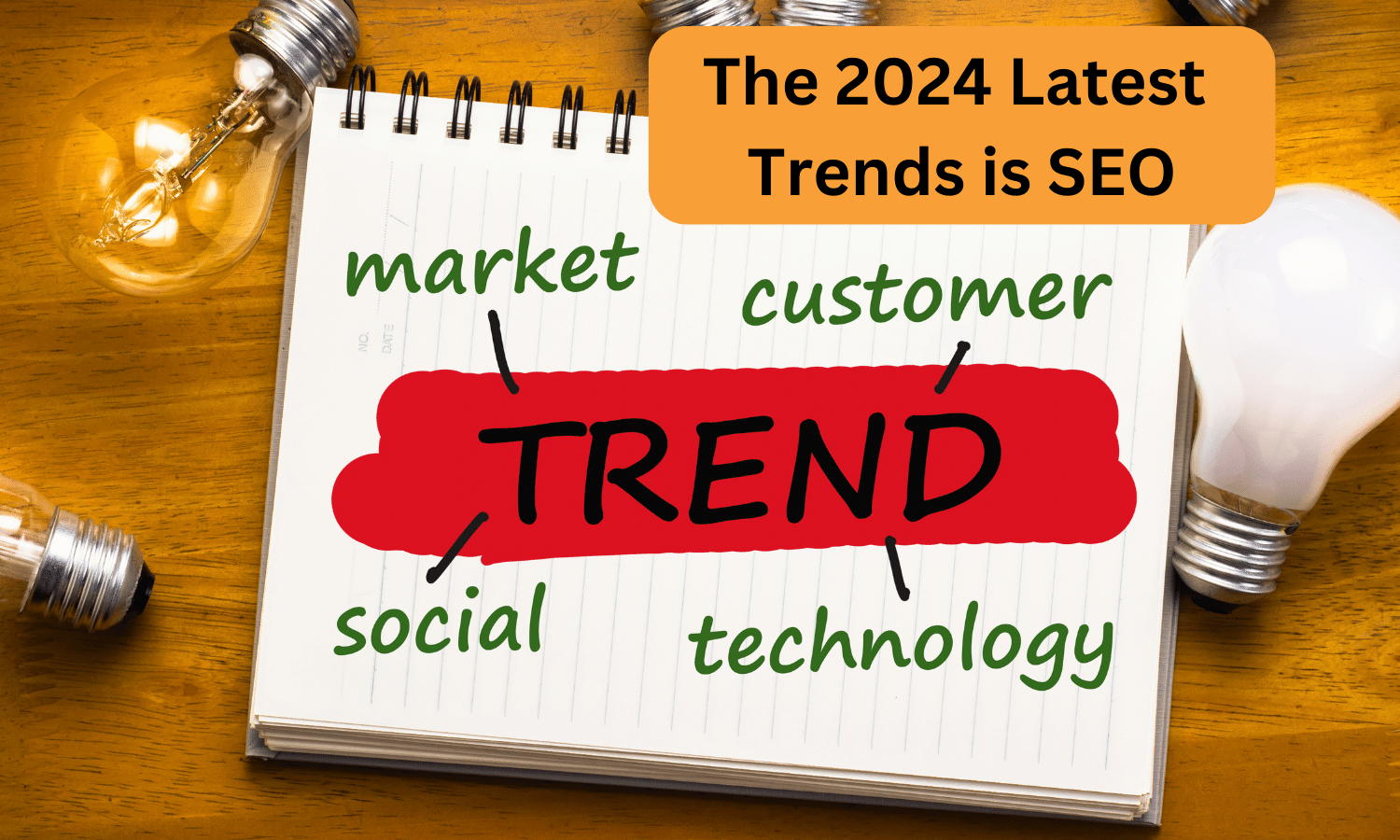
    What are the latest SEO Trends?

    SEO trends tend to change across time as the Internet continues to develop and come up with new features. Traditional SEO tasks, roles and strategies have all undergone changes in the past and the advent of some new directions for businesses and industries means that there will be considerable changes in SEO services.

    latest trends in seo

    Influence of Search Engines

    The number of business owners coming to realize the importance of search engine authorship is increasing and author rank is being taken more seriously than before. Search engines are constantly trying to increase the click through rate for high quality content and this has signified an overall reduction in the complete number of search results being accompanied by proper authorship info, thereby leading to more competition among writers to generate good SEO content.

    A tiered system is also coming into view next to the search results and the current situation is such that some search results display full authorship details while others are displayed merely with a simple byline. A few factors that continue to determine whether or not authorship snippets are included are the trustworthiness and reputation of the authors, along with the site that publishes the content.

    Speculation continues regarding the fact that those who are unable to establish some amount of authority through author rank will slowly turn irrelevant. Though this is yet to happen, it is a strong reminder for marketers and writers to get their authorship set up now prior to reaching that point.

    Google Business Profile

    From a digital marketer’s perspective, the growth of Google Business Profiles has been nothing short of remarkable. These profiles have become an indispensable tool for businesses of all sizes, enabling them to establish a prominent online presence and connect with potential customers in a meaningful way. Google Business Profiles provide an avenue for businesses to showcase their products or services, display accurate contact information, and even share updates and promotions directly with their target audience.

    With the increasing dominance of Google as a search engine, having a well-optimized Business Profile is essential for enhancing visibility in local search results and attracting organic traffic. Furthermore, the integration of customer reviews and ratings within these profiles allows businesses to build trust and credibility, as positive feedback can influence potential customers’ decision-making process. As digital marketers, harnessing the power of Google Business Profiles has become a key strategy for driving brand awareness, fostering customer engagement, and ultimately, generating valuable leads and conversions.

    Social Media and Its Growing Power

    Brands are slowly coming to terms with the newfound power of social media and the way it affects website traffic referrals and content dissemination. As many sites continue to actively struggle to earn even mediocre rankings in search engines, brands have become increasingly aware of seeing social media as a quicker way to get the content in front of the target audience and raise their website traffic.

    New Avenues in Content Marketing

    Most experts agree on the fact that it is no longer enough to merely come up with an SEO strategy but you also need to have “content marketing” techniques in place. The term content marketing has slowly started to replace SEO and it is evident that marketers must continue the focus on high quality content guided by solid keyword research based on SEO competition and focus on topical and long-tail targeting. However, the days of choosing some keywords and putting most of the efforts towards becoming the top ranked keyword is over.

    seo trends

    There is too much competition in most industries and there is always going to be at least one brand that is doing better and spending a larger budget than you. Therefore, a good and efficient content marketing strategy must seek to build the exposure for several long-tail keywords while, at the same time, raising awareness, credibility, authority, conversion rates and social media awareness.

    Every content marketing strategy must have the best and time-tested SEO practices at its foundation, meaning that the SEO practices still remain useful. A technical knowledge of search engine optimization together with corresponding strategic content marketing plan seems to be the new weapon of choice for online marketers.

    Guest Blogging

    Guest blogging has gained a lot of prominence in recent times and both online marketers and SEO professionals understand the value of this strategy for building links, brand authority, credibility along with numerous other advantages.

    Guest blogging should not merely comprise a means to get links but should rather focus on contributing excellent content in order to build an audience and reputation. Guest blogging is poised to remain an excellent strategy for building an audience along with a brand as well as a personal thought leadership plan. However, low quality and spammy guest blogging has become redundant and smart marketers are instead attempting to focus on using guest blogging for several other benefits.

    The ultimate list of SEO tools for 2023

    SEO Expenses and Increasing Costs

    SEO has become more expensive recently due to the increased difficulty in gaining inbound links and creating link-worthy content. Earlier, producing good content was easier since all you needed to do was get write some keyword-rich content, insert a few keyword-rich links to it, and voila!

    However, with the increased difficulty in terms of rankings, business owners and marketers have come to realize that they must increase the investment in content creation and link building so as to rank in the search engines.

    Such large-scale investment in SEO and content creation means that brands need to thoroughly re-evaluate the types of content they are coming up with, and actively keep track of whether or not that content is allowing them to achieve their goals.